How to Choose a Dump Truck: 7 Factors for a Cost-Effective Fleet Purchase
At the Haluxi Open-Pit Coal Mine of Jue Nan Group, truck driver Yuan Yongxiang has a steadfast habit: every morning, he uses a flashlight to crawl into the bottom of the truck and checks the tire pressure gauge, the oil level gauge, and the fuel filter among other things, carefully noting each item in the inspection log. Someone asked him if he was tired, and he said, "Don't underestimate this inspection. Good equipment condition is the key to saving fuel."
This seasoned veteran clearly explained the reason for buying a car - it's not about enjoying the comfort of a new car for a few days, but about making real profits every day and every trip.
First, figure out exactly what you are pulling.
A 930E electric wheel mining dump truck with a load capacity of 290 tons consumes approximately 340 tons of diesel per year. What does this mean? It's equivalent to a household car with an average fuel consumption of 8 liters per 100 kilometers. If it runs 10,000 kilometers per year, it can travel for 500 years.
The most common mistake when buying a truck is not knowing your actual needs. Standard dump trucks range from light models with a few tons of load capacity to heavy models with over a hundred tons. The size you choose depends on your daily load, not an occasional heavy job. If you choose a small one, you'll be constantly overloading and having to repair it until it breaks down; if you choose a large one, you'll waste money unnecessarily, and the return trip with no load will cost a lot of fuel.
2. The ground is like what you choose for the vehicle
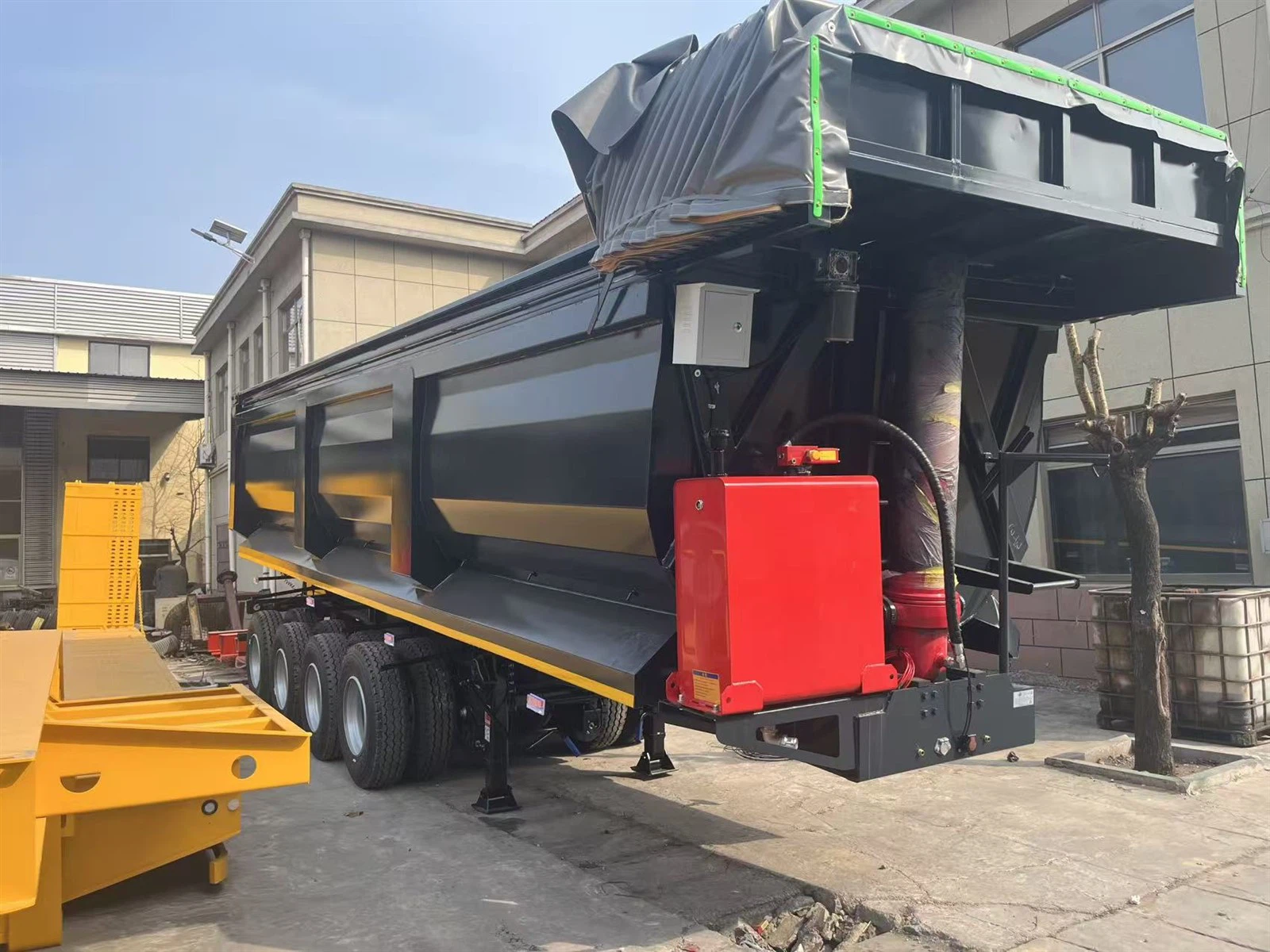
The mining experts from Volvo CE have this saying: Rigid trucks are the "gold standard" for long-term, large-scale transportation. They are fast and have a large carrying capacity on smooth, solid, and well-maintained transportation routes. But to achieve this efficiency, one must first invest money to build the roads properly. Hinged trucks have an additional swing joint, which enables them to run smoothly on soft soil, muddy ground, steep slopes, and bumpy roads, regardless of how bad the road conditions are, they can still keep moving forward.
In simple terms: If the road is in good condition, buy a sedan; if it's in poor condition, buy a hatchback.
3. Do the final accounting, don't just focus on the prices
The price tag is not the cost; the monthly bills after implementation are.
Take the renovation case of Baorizhihe Open-pit Coal Mine as an example. There were originally 35 220-ton self-unloading trucks in the mine, consuming over 16 million liters of fuel annually, with high fuel and maintenance costs. After being transformed to pure electric drive, the energy cost was reduced by 40%, and each vehicle reduced carbon emissions by 800 tons per year. Compared to fuel-powered vehicles of the same tonnage, it saved about 1.5 million yuan in annual expenses.
The data from the Haluxun Open-pit Coal Mine is even more straightforward: In the key cost indicators for 2025, the cost of diesel accounted for as high as 43.8%, making it the top priority for cost reduction and efficiency improvement. An old mine manager told me a sentence: "A car that is a bit more expensive but can run every day is truly cheaper."
4. New Car or Used Car - Don't Follow the Crowd, Look at Your Wallet

The price of a new car is clearly stated. The appeal of a used car lies in the lower initial investment and slower depreciation, making it suitable for startups or enterprises with tight cash flow. However, the risks of a used car are also clear - you need to inspect the engine condition, the sealing of the hydraulic system, and the reliability of the cargo lift mechanism. These determine the remaining lifespan and subsequent maintenance costs.
There is no fixed answer. The key lies in your cash flow, risk tolerance and maintenance guarantee level.
5. Maintenance costs cannot be cut
On average, each heavy truck requires about $16,000 for maintenance each year, and this amount is still increasing. What's even more alarming is that older vehicles that are over 10 years old have only covered 12% of the mileage but have consumed 33% of the maintenance budget.
How meticulous is the management in a long-established mining area like Halauxun? The drivers have developed a comprehensive set of fuel-saving methods covering equipment inspection, operation routes, and driving habits. Even details such as "lightly pressing the accelerator, driving at a constant speed through bends, and anticipating road conditions in advance to avoid sudden braking" are all strictly followed. As of May 2025, the total cost savings from diesel usage in the entire mine has exceeded 5 million yuan.
6. Brand and After-sales Service - You're Not Just Buying a Car

What you're buying is whether the spare parts will be delivered within three days when they break down. This is especially crucial for those engaged in foreign trade exports - if the aftermarket fails to keep up, a minor hydraulic problem can cause the vehicle to break down for several weeks, resulting in losses far greater than the small price difference saved.
7. A replacement schedule should be established.
Many fleet managers wait until the vehicles break down before making the replacement. The consequence is that equipment breaks down, projects are halted, and emergency purchases are subject to inflated prices. The most cost-effective time for replacement is when the annual operating costs start to exceed the cost of purchasing new vehicles.
In the end, there is no such thing as the "best" dump truck. The best one is the one that suits your route, your cargo, your budget, and your risk tolerance.
If you understand these points clearly, the money won't be wasted.