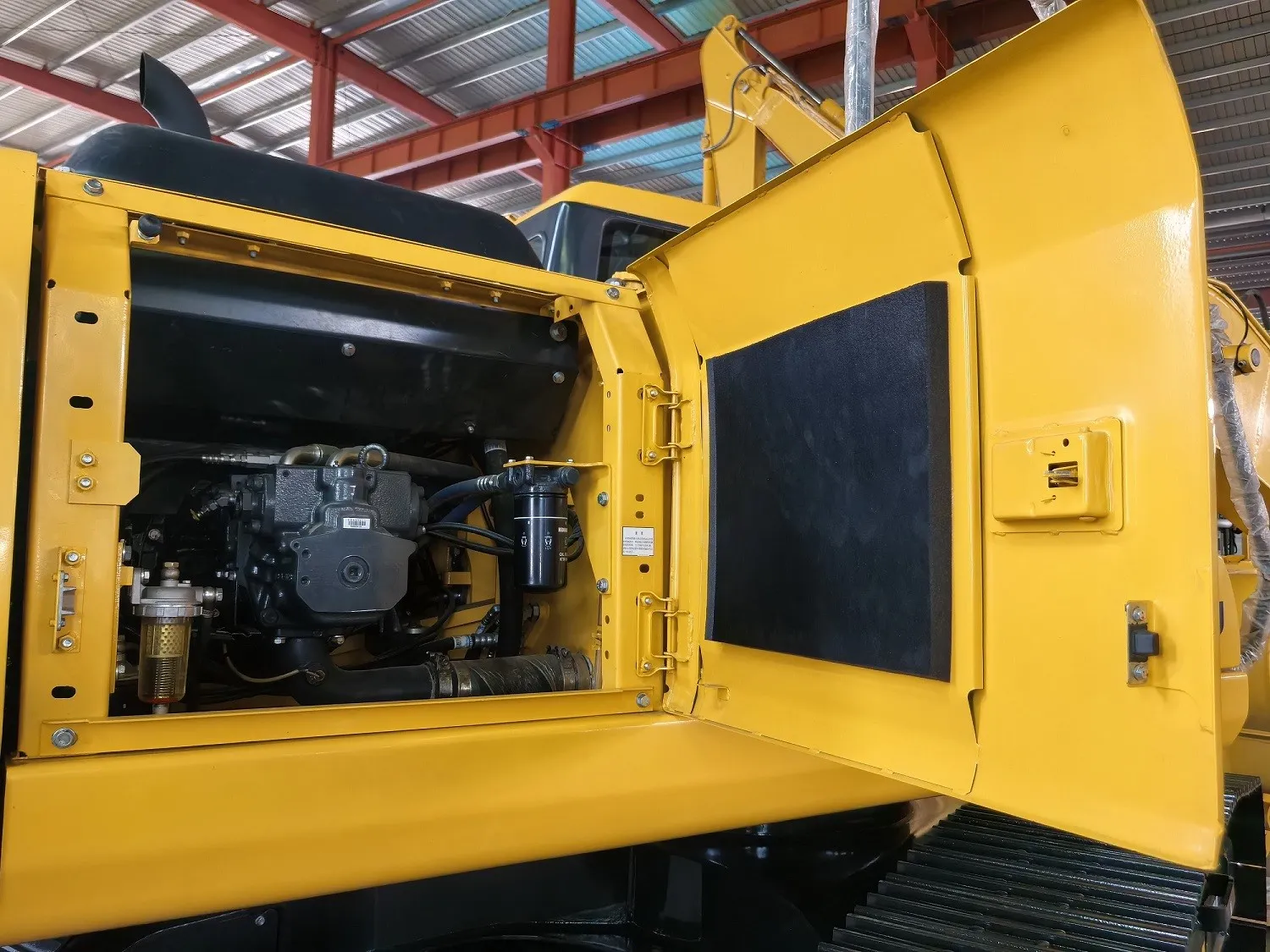
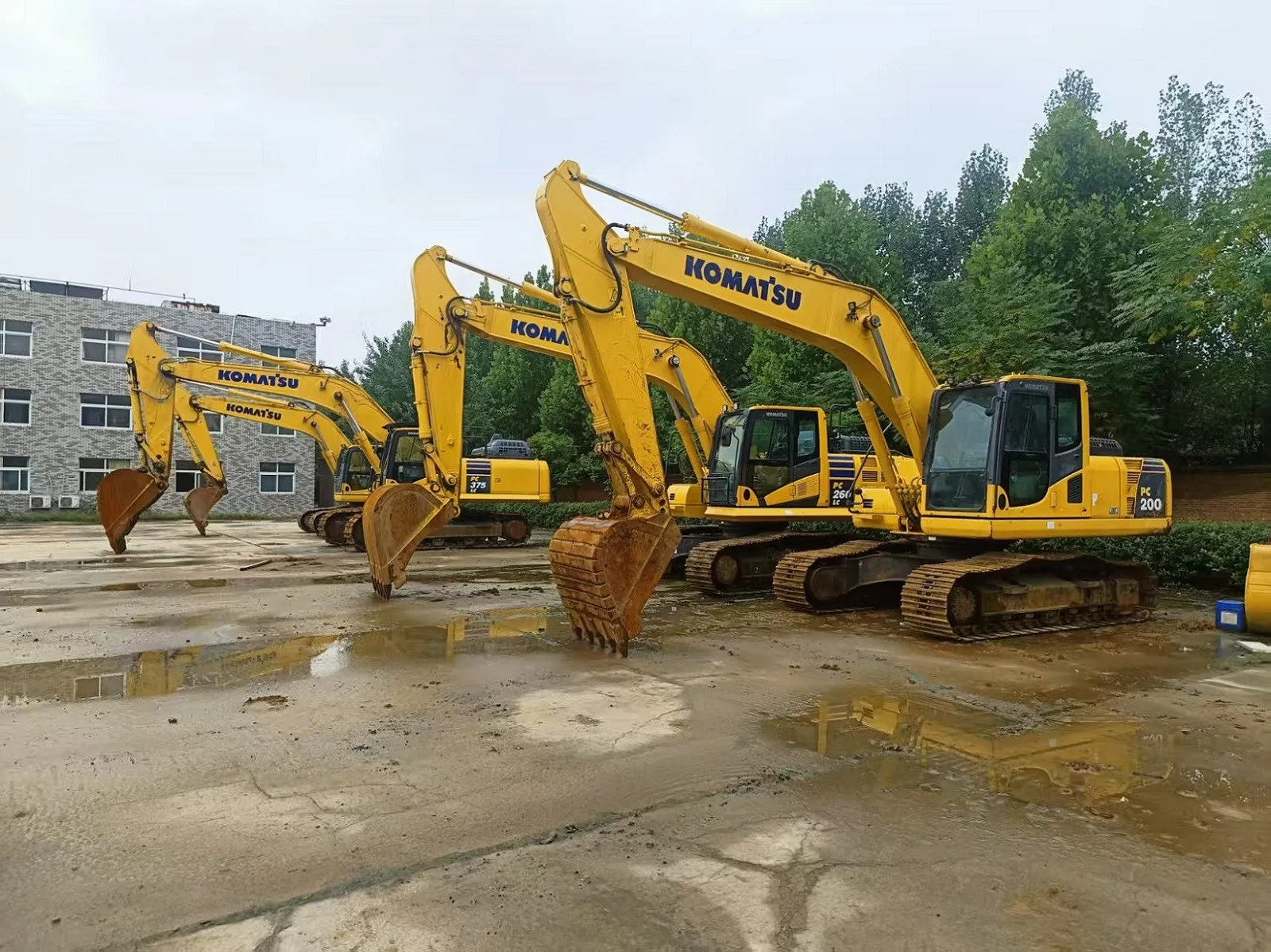
Used Komatsu Excavator Guide: How to Inspect Hours & Undercarriage
When you're in the market for a used Komatsu excavator, two things can make or break your investment: the true working hours and the condition of the undercarriage. Sellers often paint a rosy picture, but a quick, informed inspection can save you tens of thousands in unexpected repairs. Here's what you need to look for-straight from the field.
Inspecting Hours: Don't Trust the Meter Alone
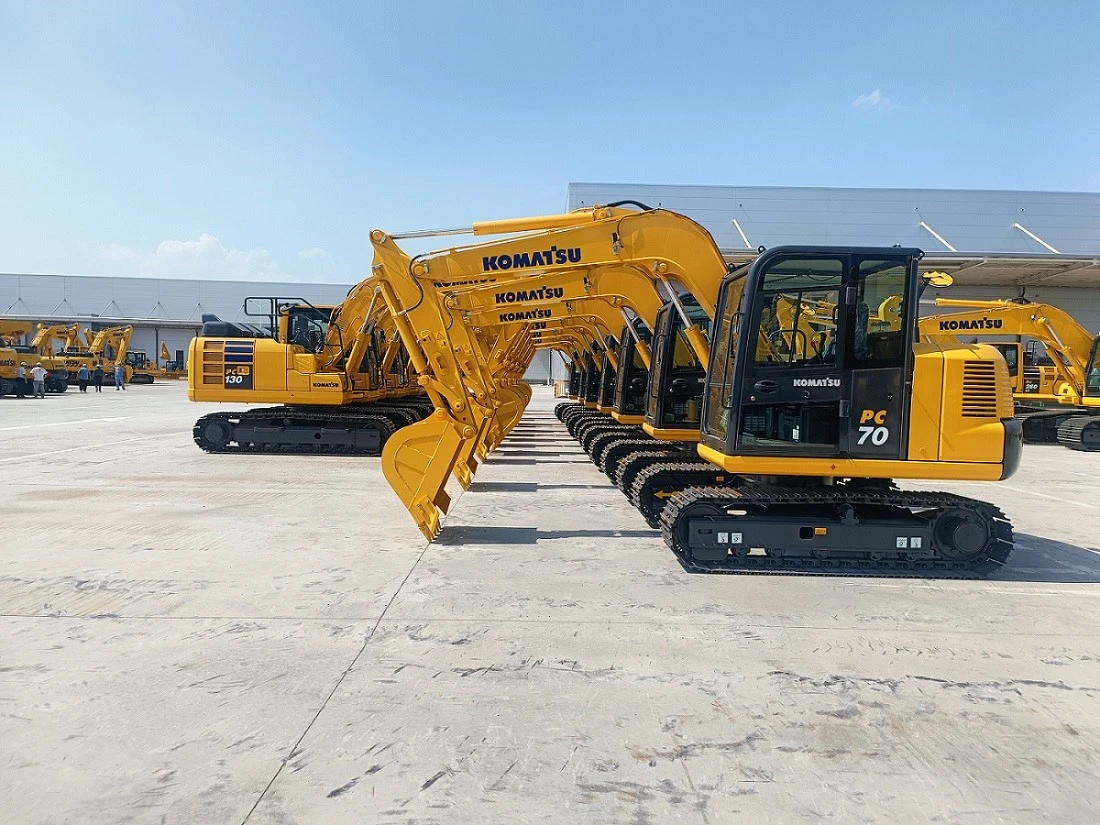
The hour meter on the dashboard is the first thing you'll see, but it's also the easiest to tamper with. On a Komatsu, cross-check the displayed hours against the physical wear on the machine. Check the operator's seat, pedal pads, armrests, and steering levers. A machine showing 3,000 hours but with a worn-through seat bolster and sloppy controls is a red flag.
If possible, ask for the maintenance logbook. Consistent service records-oil changes, filter replacements-should align with the hours shown. For a more technical check, request a download of the ECU data. Many Komatsu models from the Dash 6 onward store true operating hours in the engine control unit. Even better, if the excavator has KOMTRAX telematics, you can access historical hour records online. A seller who refuses or claims the system is "broken" should raise suspicion.
Undercarriage Inspection: Where the Real Money Hides
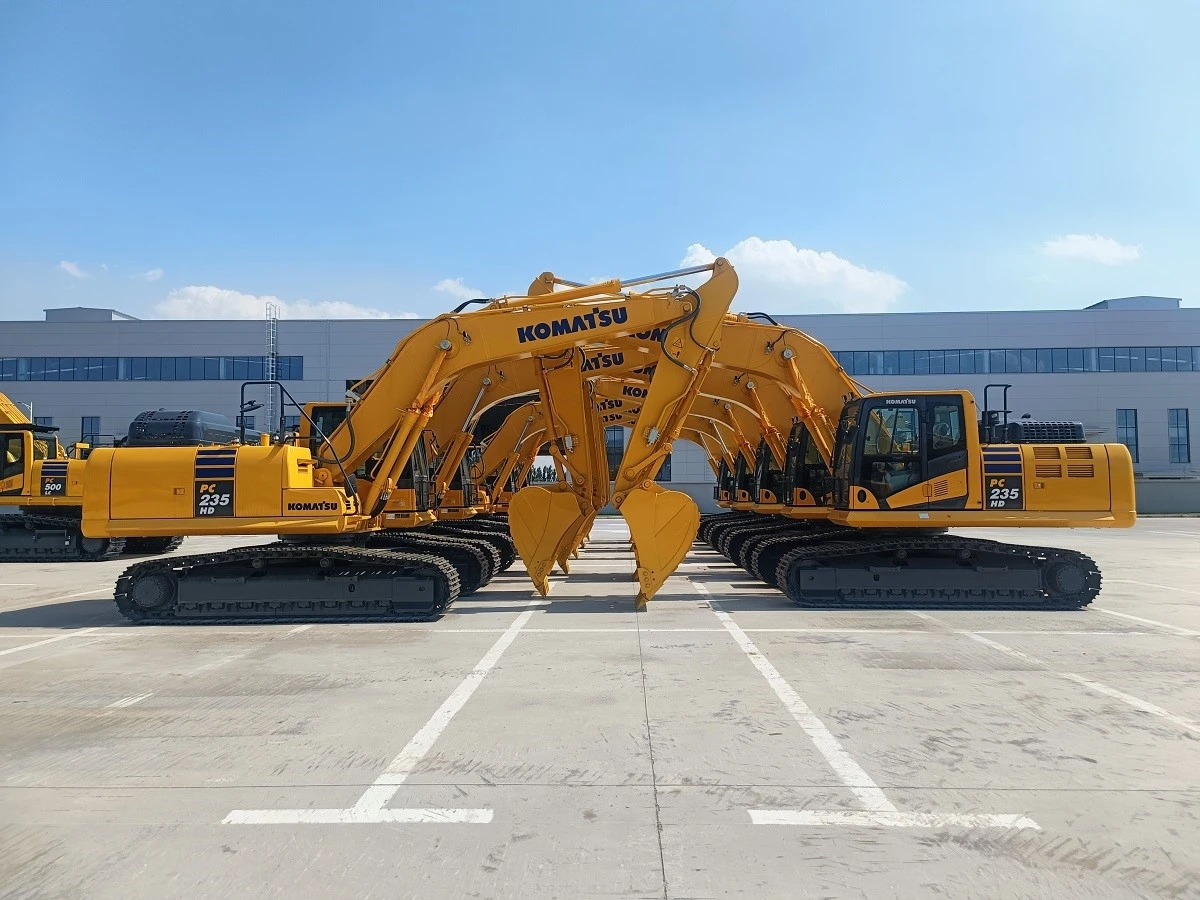
An undercarriage replacement on a mid-size Komatsu excavator can easily cost $15,000 or more, so you want to gauge its remaining life accurately. Start by walking around the machine and observing the overall track tension. A track that sags excessively between the sprocket and idler even when adjusted indicates internal pin and bushing wear. Look at the drive sprocket teeth: if they are sharp, hooked, or pointed instead of having a flat, symmetrical shape, the sprocket is worn out and will accelerate chain wear.
Measure the chain link height. On a typical Komatsu PC200, a new link might have a height of around 105 mm; at 100% worn, it's unusable. Use a simple tape measure to check several links-if they're near the wear limit, budget for track chain replacement. Then inspect the idler and track rollers. The roller treads should be smooth and even. Deep gouges, flat spots, or oil leaks around the roller seals mean the internal bearings have failed and the rollers need replacing. Don't overlook the front idler: a concave wear pattern on its tread face is another sign of advanced hours.
Finally, lift one track off the ground using the boom and arm, then rock the track back and forth. Excessive play between the chain links (more than a few millimeters) suggests pin and bushing wear beyond what re-tensioning can fix. Beware of recently painted undercarriage components-sellers sometimes spray paint over worn parts to disguise the wear. Scrutinize any fresh grease or paint around track adjusters and rollers.
Make Your Call
You don't need to be a mechanic to spot bad news. If the hour readings don't match the cab condition, or if the undercarriage shows sharp sprockets, leaking rollers, and track sag, walk away or negotiate a price that factors in full replacement costs. A used Komatsu can still deliver years of solid work-but only if you buy with your eyes wide open.