


If you’ve ever been in the market for a used truck crane, chances are you’ve run into two main types: single-engine and twin-engine setups. As someone who’s been supplying used truck cranes for years, I can’t tell you how many buyers hit me up asking which one is right for their job. It’s not just a “bigger is better” thing—there’s a whole lot of practical, technical stuff that sets these two apart, and picking the wrong one can end up costing you time, money, and even extra headaches on the job site. Let’s break this down like I would to a buddy who’s new to lifting gear, no super fancy jargon, just straight talk.
First, let’s get the basics out of the way. A single-engine used truck crane uses one engine for two jobs: powering the truck itself when it’s driving down the road and powering the crane’s lifting functions (like hoisting, extending the boom, swiveling) when it’s set up to work. A twin-engine setup, on the other hand, has two separate engines: one for the truck’s road performance, and a second, smaller engine dedicated solely to running the crane. That might sound simple, but the differences ripple out to every part of how the crane works, from fuel costs to maintenance to where you can actually use it.
Let’s start with the big one for most small to medium contractors: cost. When I talk to guys running small construction jobs, landscaping crews, or even utility teams, their first question is almost always “how much will this hit my wallet?” Single-engine used truck cranes are way cheaper upfront than their twin-engine cousins. Because you only have one engine to build and maintain, the manufacturing cost is lower, which translates to a lower price tag on the used market too. Take our most popular used models, for example—our [Second-hand XCMG 12-ton 5-section Truck-mounted Crane] is a single-engine unit, and it’s gone way faster than the twin-engine 12-ton models we had last year. For a contractor just starting out, or someone who only needs a crane a few times a month, that extra cash can go straight to job materials or other gear you actually need.
Twin-engine models, though, have their cost angle too, just a different one. Sure, they’re more expensive to buy, but they also let the truck’s main engine focus on driving, so you might get better fuel efficiency on the road. Wait, let me clarify that—when the crane’s running, the twin uses its own engine, so it doesn’t steal power from the truck’s engine. If you’re a crane operator who’s constantly driving between job sites, that extra power for the road can mean you don’t have to rev the main engine as hard, which saves fuel there. But if your work is mostly stationary—like lifting steel beams on a construction lot—you’re not going to notice that fuel savings as much. That’s why matching the engine setup to your work is key.
Next up, power and performance for lifting. This is where the lines start to blur, but there’s a clear difference in how the crane operates. Single-engine cranes have to split power between the truck and the crane. So when you’re lifting a heavy load, say 10 tons with a 5-section boom, you might notice the truck’s engine working a little harder, especially if you’re on a slope or in soft soil. Some newer single-engine models have power management systems to fix this, but it’s still a trade-off. Twin-engine cranes, though, have that second engine for the crane, so the main engine can power the truck without taking away from the lift. That means smoother lifting, especially with heavier loads, and you might not have to slow down your driving as much when you’re moving the crane fully loaded (though I don’t recommend driving with a load, just to be clear).
One thing a lot of buyers don’t think about is maintenance and downtime. For single-engine used truck cranes, you’ve got one engine to service, which means fewer checkups, fewer parts to replace, and less chance of something breaking in two places. If the engine goes out, the truck won’t drive AND the crane won’t work—talk about a double headache. But twin-engine cranes have two engines, so if one acts up, you might still be able to use the other, depending on which one’s broken. That’s a big plus for big contractors who can’t afford to be off the job for a day. But here’s the catch: more engines mean more parts to stock, more oil changes, more filters, and more chances for something to go wrong. I’ve seen small contractors skip routine checks on twin engines because they forget about the second one, and that leads to way more expensive repairs than the simple maintenance a single-engine needs.
Then there’s versatility, especially when it comes to road use and job site access. Single-engine cranes are usually lighter overall, right? Because they only have one engine, so the truck’s chassis is designed for less extra weight. That means they can often go into areas with weight restrictions on the road, or on job sites where the ground isn’t super stable. For example, if you’re working on a residential construction site with narrow access roads, a single-engine used truck crane is way easier to maneuver and won’t get stuck as often. Twin-engine cranes are heavier, so they might not be legal in some areas with strict weight limits, or they can’t get into those tight residential spots. We’ve had customers who bought a twin-engine 14-ton crane and had to turn around because the local roads had a 20,000-pound weight limit, and the twin was pushing 28,000. That’s a wasted trip, and no one wants that.
Don’t sleep on noise and emissions either, especially if you’re working in urban areas. A lot of cities have rules about how loud heavy equipment can be, especially during work hours in residential neighborhoods. Twin-engine cranes have two engines running, so they’re way louder—like, 10-15 decibels louder than a single-engine, which might not sound like a big deal until you get a noise complaint and a $500 fine. And emissions rules? More engines mean more exhaust, so twin-engine models might not pass the stricter EPA or local emissions standards that a single-engine will. For guys working in cities, that’s a huge deal.
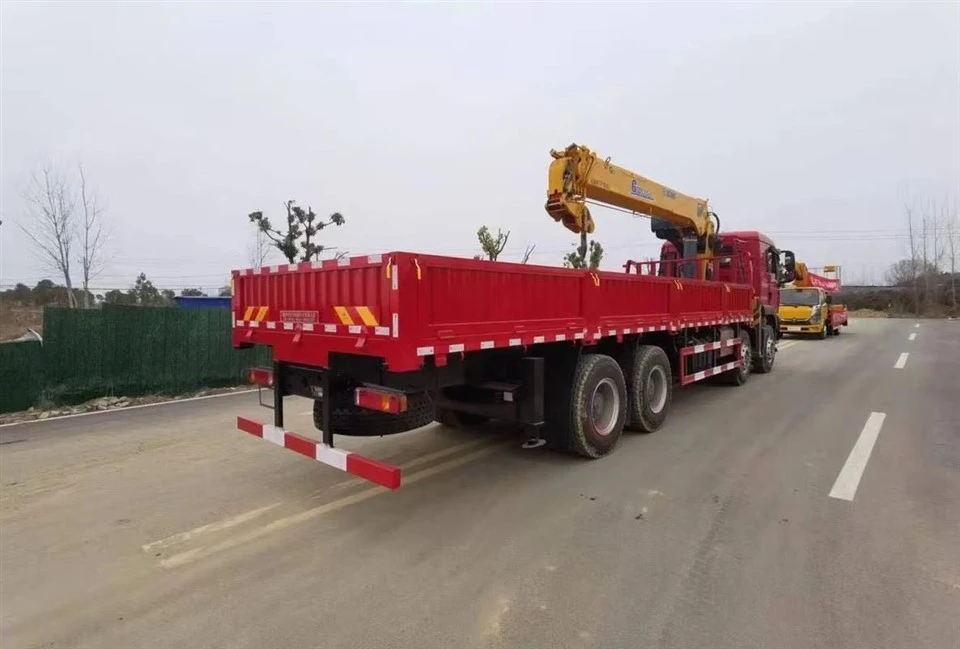
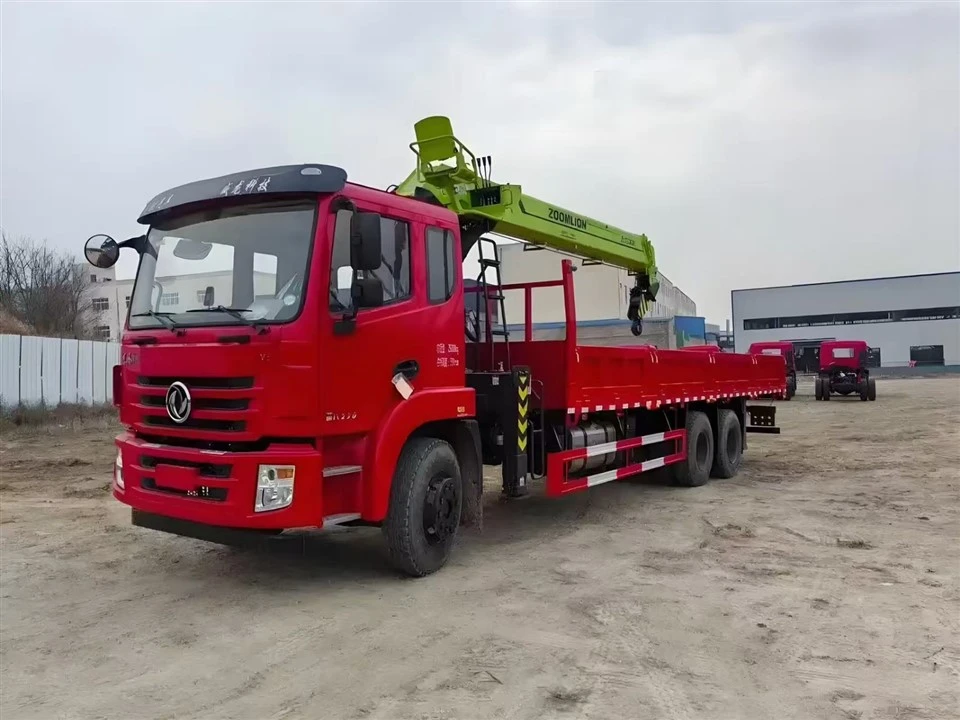
Now, let’s talk about specific models I sell, because that’s the practical stuff. Our [Second-hand XCMG 12-ton 5-section Truck-mounted Crane] is single-engine. It’s perfect for small to mid-sized jobs: loading and unloading materials on residential sites, setting up utility poles, moving equipment around a warehouse. It’s got 5 sections on the boom, so it can reach up to 30 meters, and it’s light enough to get into tight spots. Then there’s the [Second-hand Dongfeng 12-ton 5-section Truck-mounted Crane], also single-engine, built on a Dongfeng chassis which is super reliable for long drives between job sites—great if you’re covering a wide area.
If you’re doing heavier work, like lifting 14-ton loads for commercial construction, our twin-engine options are worth a look. The [Second-hand CNHTC SINOTRUK 14-ton 5-section Truck-mounted Crane] is twin-engine, built for big lifts and long job days. It’s got more power for heavy loads, and the dual engines mean you won’t have to baby the main truck engine. Or the [Second-hand SHACMAN Auto 14-ton 5-section Truck-mounted Crane], another twin-engine unit, with a sturdier chassis for uneven job sites like construction lots with loose dirt or gravel.
Wait, I should also mention the “hybrid” vibe some people call them now—there are some newer single-engine models that have auxiliary power units, but that’s not the same as a full twin-engine setup. Those aux units are small, for light lifting, not for heavy loads. Don’t confuse that with a real twin-engine, because that’s a mistake a lot of first-time buyers make.
Let me wrap this up with what I tell every customer when they’re choosing: if you’re a small contractor, doing mostly residential or light commercial work, needing something cheap, easy to maintain, and able to get into tight spots, go single-engine. If you’re a big construction company, doing heavy lifts on large commercial sites, can handle the higher upfront cost and maintenance, and need the power for big loads, go twin-engine. And if you’re in between, test drive both if you can—take it down a narrow road, lift a sample load, see how it feels.
At the end of the day, the best used truck crane is the one that fits your specific work, not the one with the most engines or the biggest tonnage. I’ve sold single-engine cranes to guys who used them for 10 years with no major issues, and twin-engine cranes to crews that have lifted skyscraper steel without a hitch. The key is knowing the difference, not just the specs.
If you’re ready to check out what’s in stock, or have questions about which setup works for your job, reach out to our team to talk through your needs. We’ve got a range of single and twin-engine used truck cranes, all inspected before they hit the lot, so you know you’re getting reliable gear that won’t leave you stranded.
References
- American National Standards Institute (ANSI). (2020). Standard for Truck-Mounted Cranes – Safety Requirements.
- Construction Equipment Association (CEA). (2022). Used Lifting Machinery Market Report.
- U.S. Environmental Protection Agency (EPA). (2021). Emission Standards for Heavy-Duty Equipment.
- National Heavy Equipment Operators Association (NHEOA). (2023). Guide to Single vs Twin-Engine Lifting Equipment.
- Crane Institute of America (CIA). (2022). Technical Comparison of Single and Twin-Engine Truck Cranes.


