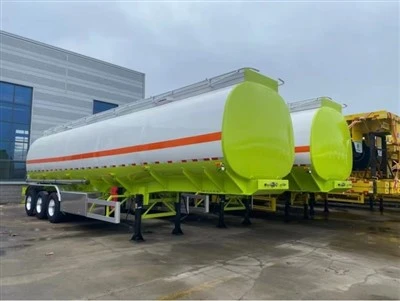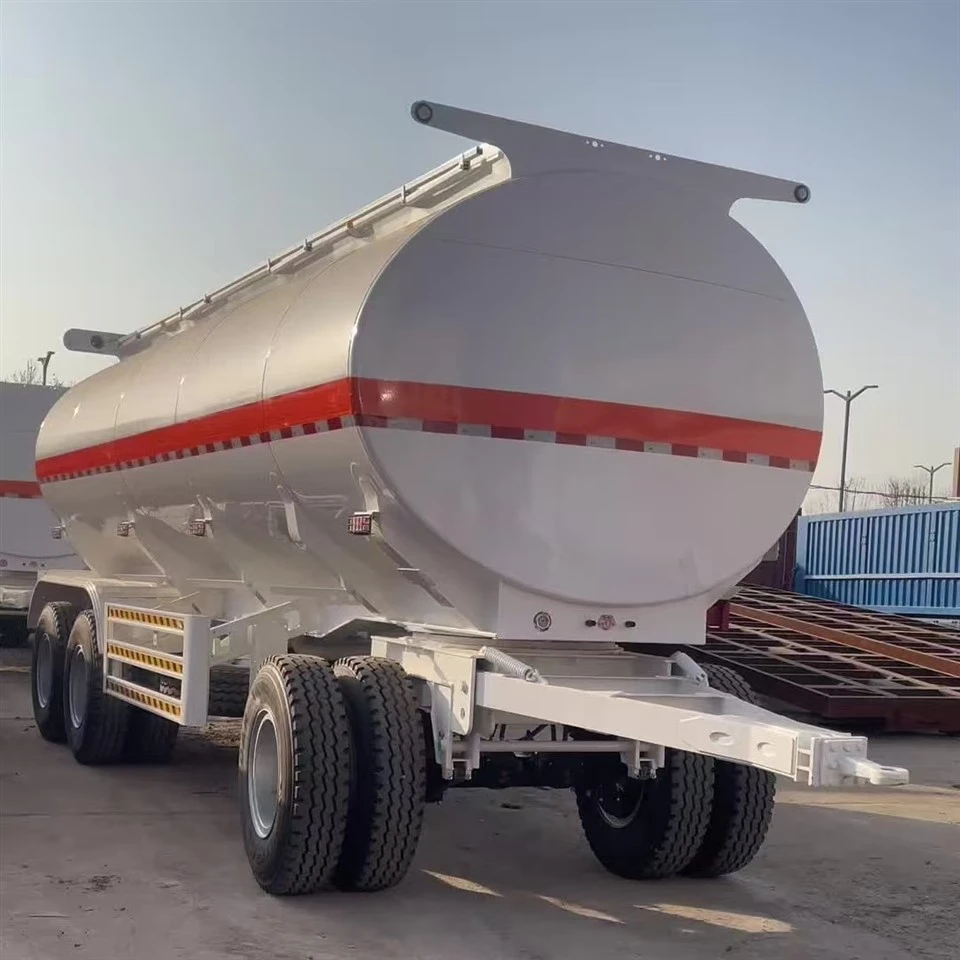
Used Multi-Compartment Fuel Tank Trucks are structured to transport multiple refined petroleum products-such as diesel, gasoline, and kerosene-simultaneously in isolated chambers. Built on a heavy-duty multi-axle chassis, each vehicle features independent bulkhead separations, an API bottom-loading system, dedicated vapor recovery channels, and an integrated discharge pump cabinet to support regional fuel distribution and site-direct refueling operations.
Technical Specifications
|
Parameter Category |
Technical Metric |
Specification Value / Option Range |
|
Chassis & Powertrain |
Drive Configuration |
6x4 / 8x4 Heavy-Duty Chassis |
|
Engine Horsepower Rating |
371 HP – 420 HP |
|
|
Emission Standard |
Euro 3 / Euro 4 |
|
|
Transmission |
10-Speed Manual / Synchronized |
|
|
Tank Body & Capacity |
Total Fluid Capacity |
20,000 L – 30,000 L (5,280 – 7,920 Gal) |
|
Compartment Structure |
3, 4, or 5 Independent Chambers |
|
|
Shell Material Grade |
Q235B Carbon Steel / 5083 Aluminum Alloy |
|
|
Tank Shell Thickness |
5 mm Shell Wall / 6 mm Dish Heads |
|
|
Internal Baffle System |
4 mm Corrugated Anti-Surge Baffles |
|
|
Loading & Discharge |
Discharge System |
Bottom Loading via API Adaptors / Top Loading |
|
Pump Type & Power Source |
Gear-Driven PTO Petroleum Pump |
|
|
Nominal Discharge Rate |
500 L/min – 800 L/min |
|
|
Internal Valves |
Pneumatic Emergency Shut-Off Valves |
|
|
Running Gear & Safety |
Axle Specification |
13-Ton Heavy-Duty Axles (x3 / x4) |
|
Suspension |
Multi-Leaf Spring Heavy-Duty Suspension |
|
|
Tire Condition & Size |
12.00R20 Radial Tires (≥80% Remaining Tread Depth) |
|
|
Static Safety System |
Continuous Copper Grounding Reel & Conductive Strip |
Main Components & Features
Double-Vessel Bulkhead Isolation: Internal compartment dividers are constructed with double-welded concave dish heads, preventing fluid migration between chambers during transit.
Corrugated Anti-Surge Baffles: Transverse baffle plates installed inside each chamber diminish liquid sloshing momentum, maintaining vehicle center-of-gravity stability during acceleration and braking.
API Bottom Loading Adaptors: Standardized dry-break API couplers allow ground-level vapor-recovery loading and unloading, eliminating top-hatch fluid exposure.
Pneumatic Emergency Shut-Off Valves: Bottom-mounted emergency valves isolate liquid lines automatically upon system pressure drops or manually via remote cab controls.
Side Control Valve Cabinet: Lockable aluminum side enclosure houses individual discharge valves, digital flow meter displays, and hose reels dedicated to each compartment.
Applications
Multi-Grade Retail Gas Station Delivery
Hauling distinct octane gasolines and diesel fuels to urban service stations in a single operational route.
Direct Construction Equipment Refueling
Transporting fuel directly to excavators, generators, and heavy machinery active on off-grid construction or mining sites.
Industrial Fuel Distribution
Supplying heavy fuel oil, kerosene, or industrial lubricants to factory storage tanks and decentralized heating facilities.
Vehicle Condition & Inspection
Ultrasound Tank Wall Thickness Measurement: Tank body plates undergo non-destructive ultrasonic testing across a grid pattern to verify uniform wall thickness and identify material thinning prior to sale.
Hydrostatic & Pneumatic Seam Testing: Every compartment is individually hydrostatically pressure-tested and air-leakage tested to confirm structural integrity at seams and valve flanges.
Chassis Frame Integrity Check: Main frame rail welds, axle alignment, differential gear sets, and brake linings are inspected and serviced to meet standardized roadworthiness criteria.
Available Configurations
Tank Construction Material: Selection between Q235B carbon steel for standardized durability or 5083 aluminum alloy for lower tare weight and increased payload capacity.
Chamber Sizing Ratios: Customizable volume distribution configurations matching local fuel axle limits.
Metering & Hose Reel Options: Choice of mechanical totalizer registers or digital flow meters with automatic-rewind delivery hose reels built into the discharge compartment.
Export & Delivery Support
Surface Treatment & Marine Protection
External tank surfaces undergo shot-blasting, anti-rust zinc primer coating, and polyurethane finishing. Chassis components receive an underbody wax layer to resist salt fog during sea transit.
Shipping Methods
Transport arranged via Flat Rack container, Roll-on/Roll-off (Ro-Ro) vessel, or Breakbulk cargo hold based on receiving port capabilities.
Export Documentation Package
Documentation provided includes Bill of Lading, Certificate of Origin, Commercial Invoice, Packing List, and third-party inspection reports.
FAQ
Q: How does the system prevent cross-contamination when discharging different fuels from separate compartments?
A: Each compartment operates with its own isolated bottom valve, dedicated discharge pipeline, manifold outlet, and dry-break API coupler, maintaining complete fluid separation from loading hatch to discharge connection.
Q: What specific leak tests are performed on the multi-compartment tank prior to shipment?
A: Chambers are filled with water and pressurized under hydrostatic test conditions for a minimum holding period, followed by a pneumatic pressure test on all weld seams, manhole seals, and valve flanges.
Q: What options exist for monitoring dispensed fuel volumes during site deliveries?
A: Units can be outfitted with either mechanical registers or temperature-compensated digital flow meters installed directly in the line between the compartment manifold and the delivery hose reel.
Q: How is the vehicle protected against corrosion during ocean transit?
A: Unpainted chassis parts, drive shafts, and exposed mechanical linkages are coated with anti-corrosion grease and protective film, while the main tank and cab receive marine-grade paint finishes.
Hot Tags: used multi-compartment fuel tank trucks, China used multi-compartment fuel tank trucks